

Product Overview
L-Lactic acid is a global commodity with annual consumption exceeding 100,000 tons and steady growth. Food and beverages were once its primary market, where it serves as an acidulant and preservative. Today, PLA production is the fastest-growing application-as a biodegradable plastic, PLA is driving industry expansion in packaging, 3D printing, and textiles. Classified as GRAS by the US FDA, lactic acid provides mild acidity and preservation in food. In cosmetics, it functions as an AHA moisturizer and exfoliant, while in pharmaceuticals it adjusts pH and acts as a drug carrier.
Key Product Specifications
|
Parameter |
Specification |
Specification |
|
Product Name |
L-Lactic Acid Liquid |
L-Lactic Acid Powder |
|
CAS No. |
79-33-4 |
79-33-4 |
|
Specification |
80%, 85%, 88%, 90% |
60% |
|
Appearance |
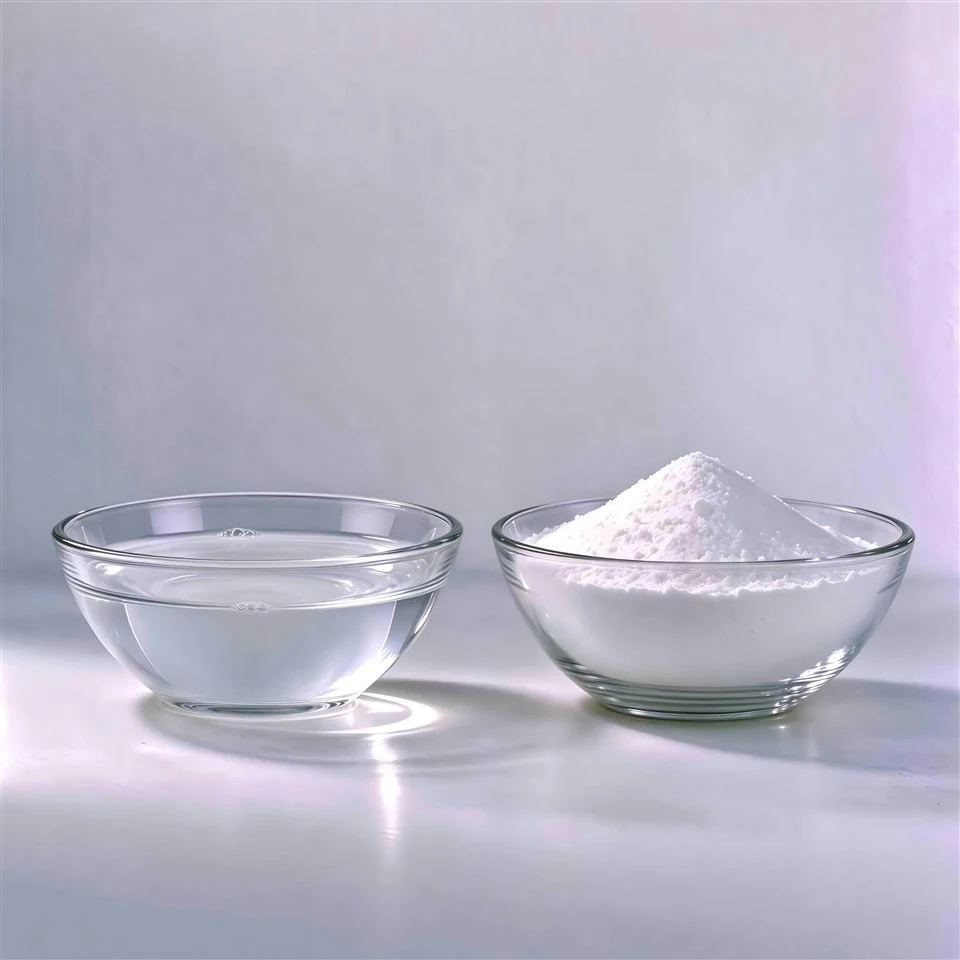
Colorless to pale yellow viscous liquid, hygroscopic, miscible with water. |
White granules or powder, deliquescent, easily soluble in hot water. |
|
Molecular Formula |
C₃H₆O₃ |
C₃H₆O₃ |
|
Molecular Weight |
90.08 g/mol |
90.08 g/mol |
|
Moisture |
Max. 1% |
Max. 2% |
|
pH |
Stronger. In pure acid form, it can lower pH more efficiently. |
Weaker, with lower pH adjustment efficiency than liquid lactic acid. |
|
Stability |
Relatively hygroscopic, with certain storage condition requirements. |
More stable, easy to store and transport. |
|
Application |
Liquid beverages, Brewing industry, Pickling and seasoning, Liquid dairy products, Pharmaceuticals, cosmetics |
Candy dusting, Baking premix, Dairy products |
Key Benefits of L-Lactic Acid
Natural acidulant
Provides a mild, gentle tartness that is smoother than citric or acetic acid.
Natural preservative
Inhibits the growth of spoilage and pathogenic bacteria, extending shelf life.
pH adjustment
Improves flavor and texture.
Moisturizing and exfoliating
As an AHA in cosmetics, it promotes keratin renewal and improves skin texture.
Excipient
L-Lactic Acid used for pH adjustment and metal element supplementation.
Biodegradable plastic raw material
Polymerized to produce polylactic acid, which is biodegradable and can replace traditional petroleum-based plastics.
Renewable source
Produced through fermentation of corn, sugarcane, etc.; biodegradable and environmentally friendly.
Application Selection Guide
|
Application |
Use Level |
Contribution of L- Lactic Acid |
Formulation Notes |
|
Food & Beverage |
GMP; typically 0.05%–0.2% in beverages; upper limits: 6.0 g/kg in plant protein beverages, 2.2 g/kg in ice cream/chocolate, 0.5 g/kg in juice-type beverages |
Natural acidulant; preservative; pH adjustment to improve flavor and texture. |
The human body can only metabolize the L-form, so L-lactic acid must be used in food-grade applications. L-lactic acid is safe in infant foods, while DL-lactic acid is restricted. |
|
Personal Care / Cosmetics |
Exfoliation: 1%–10%; buffering/pH adjustment: 0.1%–1%; preservation: 0.9%–2.9% |
AHA that promotes keratin renewal and improves skin texture; moisturizing; tyrosinase inhibition; antibacterial. |
High concentrations (≥3%) require sunburn warning labeling. Canada limits consumer use to ≤10% (pH ≥3.5) and professional use to ≤30% (pH ≥3.0). |
|
Pharmaceuticals |
Depends on dosage form; typically 0.5%–3.0% in topical preparations |
Metabolizable acidulant/pH adjuster; electrolyte infusion component; metal supplement; sustained-release drug carrier. |
L-lactic acid is the only usable lactic acid configuration in pharmaceuticals; the D-form is strictly restricted due to metabolic limitations. |
|
Polylactic Acid (PLA) |
Optical purity requirement: generally ≥95%, preferably ≥98%–99%; high heat-resistant PLLA requires ≥99% |
Polymerizes to highly crystalline, high heat-resistant PLLA for packaging, fibers, 3D printing, absorbable sutures, bone screws, etc. |
High optical purity L-lactic acid must be used. Insufficient optical purity leads to reduced PLA crystallinity and poor heat resistance. |
|
Industrial / Chemical |
Depends on process; textile treatment liquor 0.5%–5%; catalyst/stabilizer in organic synthesis 0.1%–2% |
Leather deliming; textile auxiliaries ; green solvents; chemical intermediates such as acrylic acid and propylene glycol. |
L-lactic acid competes with DL-lactic acid in industrial applications, with cost being the primary consideration. |
*Formulas above: for reference only. Adjust as needed for your finished products.
Certifications & Compliance
We can provide certifications such as Halal, Kosher, ISO, FSSC, and HACCP.
Packaging & Supply
Standard commercial packaging:
- 25 kg bags / bucket
- Palletized shipments
- Bulk packaging options
For global B2B orders, buyers to confirm:
- Packaging Format
- Pallet Configuration
- Payment Method
- Expiration Date
- Quotation Type
- Container Loading Quantity
- Lead Time
For repeat orders, supply planning can be negotiated based on the buyer's annual consumption and delivery timeline.
FAQ
Q: How to choose between liquid and powdered lactic acid?
A: Choose liquid or powdered lactic acid mainly based on your liquid/solid production process, mixing uniformity, storage needs and budget. Liquid L-lactic acid: for beverages, brewing, liquid dairy, pickling solutions and liquid formulas requiring quick dissolution. Powdered L-lactic acid: for candy dusting, baking premixes, solid drinks, dry seasonings, dry-cured meat and powder blending processes.
Q: What is food-grade lactic acid?
A: Food-grade lactic acid, chemically named 2-hydroxypropionic acid, is a natural organic acid. It is an intermediate product of human muscle movement and carbohydrate metabolism, and also naturally exists in fermented foods such as yogurt and pickles.
Q: What is the shelf life of L-lactic acid?
A: Under proper storage conditions, it can be stored for 2 years.
Q: Are there liquid and powder forms of L-lactic acid?
A: Yes, we can provide L-lactic acid in liquid and powder form. Please let us know your specific specification requirements.
Q: Are there any groups of people who need special attention when using food-grade lactic acid?
A: Yes, Restriction mainly for infants. JECFA & EC-SCF: D/DL-lactic acid not permitted in infant foods; only L-lactic acid. Infants under 3 months have limited D-lactic acid metabolism. No restriction for adults.
Q: Is food-grade lactic acid safe? Is there an intake limit?
A: It is extremely safe, with no established intake limit.
Request a L-lactic acid Sample or Bulk Quotation
Looking for bulk L-lactic acid for food, pharma, cosmetics, industrial or material use? Send us your requirements, and we'll provide product specs, COA, sample details, packaging info, and bulk quotes accordingly.
Hot Tags: l-lactic acid cas 79-33-4, China l-lactic acid cas 79-33-4 manufacturers, suppliers, factory


