

Sweeteners
Why Choose Us
Qingdao Oriental Tongxiang International is located in Qingdao, China, founded in 1999. Oriental Tongxiang has a "one team" mindset and philosophy in its operations that ensures all team members are focused on providing our customers with the highest quality and lowest cost products.
Wide Product Range
We specialize in a wide array of products ranging from food Ingredients, Nutritional Ingredients, APIs, Vitamins to Veterinary products.
High Quality
Our commitment to quality service can be noted with our compliance to regulatory mandates such as GMP,FDA, and certifications such as ISO, Halal, Kosher etc.
One-Stop Solution
We can offer a range of services, from consultation and advice to product design and delivery. It is a convenience for the customers, as they can get all the help they need in one place.
24H Online Service
We try and respond to all concerns within 24 hours and our teams are always at your disposal in case of any emergencies.
-
![Monk Fruit Natura Sugar]() Monk Fruit Natura SugarMonk Fruit Natura Sugar is also called Luohanguo, it is a small, round fruit that grows in China. it from the natural plant of Luo Han Guo is a new natural sweetener.read more
Monk Fruit Natura SugarMonk Fruit Natura Sugar is also called Luohanguo, it is a small, round fruit that grows in China. it from the natural plant of Luo Han Guo is a new natural sweetener.read more -
![Golden Fruit Extract]() Golden Fruit ExtractGolden fruit extract, it actually is Monk fruit extract, we extract it from fresh monk fruit.read more
Golden Fruit ExtractGolden fruit extract, it actually is Monk fruit extract, we extract it from fresh monk fruit.read more -
![Natural Monk Fruit Extact V50]()
-
![High Intensity Sweetener Sucralose]() High Intensity Sweetener SucraloseSucralose is a non-caloric, non-nutritional high-intensity sweetener. It is produced and processed from white sugar. Its sweetness is 600 times that of sucrose.read more
High Intensity Sweetener SucraloseSucralose is a non-caloric, non-nutritional high-intensity sweetener. It is produced and processed from white sugar. Its sweetness is 600 times that of sucrose.read more -
![Allulose Syrup]() Allulose SyrupD-Allulose syrup, the CAS # is551-68-8, It belongs basic sugars,biochemistry, Piscose, and carbohydrate libray caronhydrates. The EINECS# is 208-999-7read more
Allulose SyrupD-Allulose syrup, the CAS # is551-68-8, It belongs basic sugars,biochemistry, Piscose, and carbohydrate libray caronhydrates. The EINECS# is 208-999-7read more -
![Stevia Reb-A %97]()
-
![Sugar Free Sweetener Stevia Extract]() Sugar Free Sweetener Stevia ExtractStevia extract comes from the Steiva leaf(plant) 100% natural, NON GMO, ORGANIC.read more
Sugar Free Sweetener Stevia ExtractStevia extract comes from the Steiva leaf(plant) 100% natural, NON GMO, ORGANIC.read more -
![Sugar Free Stevia]() Sugar Free SteviaSugar free Stevia is an enzymatically Treated Stevia, (also known as enzyme-modified steviol glycosides, enzymatically glycosylated stevioside ) we have developed, using the extract of Stevia...read more
Sugar Free SteviaSugar free Stevia is an enzymatically Treated Stevia, (also known as enzyme-modified steviol glycosides, enzymatically glycosylated stevioside ) we have developed, using the extract of Stevia...read more -
![Selling Points Of Monk Fruit Extract V25%]() Selling Points Of Monk Fruit Extract V25%Luo han guo grown and harvested from vines from the southern China.This rare fruit is often used as a sugar substitute.However,this unique sweetener provides additional benifits that no other...read more
Selling Points Of Monk Fruit Extract V25%Luo han guo grown and harvested from vines from the southern China.This rare fruit is often used as a sugar substitute.However,this unique sweetener provides additional benifits that no other...read more -
![Natural High Sweetness Sweeteners]() Natural High Sweetness SweetenersStevia RA series include Stevia RA98, Stevia RA97, Stevia RA95, Stevia RA90, and Stevia RA60 etc., the figure is higher ,the sweetness is higher and the taste is better.read more
Natural High Sweetness SweetenersStevia RA series include Stevia RA98, Stevia RA97, Stevia RA95, Stevia RA90, and Stevia RA60 etc., the figure is higher ,the sweetness is higher and the taste is better.read more -
![Stevia Extract RA Series]() Stevia Extract RA SeriesHigh-purity steviol glycosides derived from Stevia leaves.read more
Stevia Extract RA SeriesHigh-purity steviol glycosides derived from Stevia leaves.read more
Clean, sweet taste with no bitter aftertaste.
Ideal for sugar reduction in food and beverages.
Non-GMO, calorie-free, and... -
![Natural Sweetness-- Stevia RA Series]() Natural Sweetness-- Stevia RA SeriesStevia RA series include Stevia RA98, Stevia RA97, Stevia RA95, Stevia RA90, and Stevia RA60 etc., the figure is higher ,the sweetness is higher and the taste is better.read more
Natural Sweetness-- Stevia RA SeriesStevia RA series include Stevia RA98, Stevia RA97, Stevia RA95, Stevia RA90, and Stevia RA60 etc., the figure is higher ,the sweetness is higher and the taste is better.read more


Sweetener is an artificial substance that can be used in drinks instead of sugar. Most commercially available sweeteners are derived from plants like beets and sugarcane. They are refined to different degrees and formed into granules, powdered, or having an unmistakable brown color. Sucrose from beet or cane contains a total of 4 calories per gram and is a disaccharide. If you want to know the specifications and prices of Sweeteners, please contact us!
Advantages of Sweeteners
Weight Control
Natural, sugar-free sweeteners have no calories, making them suitable for people who want to watch their weight. You get roughly sixteen calories for every teaspoon of sugar you take in, a relatively high amount.
Comparing this to the number of calories you consume when consuming a natural sugar product is healthier. Replacing sugar with natural sweeteners can help improve your health significantly and maintain a healthy weight, which is very important.
A Diabetes-Friendly Option
Natural sweeteners do not contain carbohydrates like sugar products, ensuring that your blood sugar level will not be affected no matter how much you consume. It's important to talk to your doctor about consuming natural sweeteners and the healthy options available to you.
These sugar-free syrups can just be the solution you need for managing your diabetes by giving you an alternative to sugar which significantly affects your health.
Lower Calorie and Sugar Intake
One of the main benefits of artificial flavored sweeteners is that they allow you to enjoy your favorite foods and drinks without consuming excess sugar. Typically, consuming too much sugar can lead to weight gain, high blood pressure, and other health concerns. Using artificial sweeteners can help you manage your calorie and sugar intake.
Long Shelf Life
Unlike cane sugar, which clumps, hardens, and loses potency over time, artificial sweeteners maintain their crystalline form and flavor for much longer due to their chemical formulation. Sugar substitutes are cost-effective for people who don't use them every day, such as adding them to coffee.
Versatile
Artificial flavored sweeteners are versatile; you will find them in various foods and beverages. These additives enhance the sweetness of products without using sugar.
Artificial flavored sweeteners provide an enjoyable sweetness in beverages. You can add them to hot and cold beverages and customize drinks to your liking.
In desserts and baked goods, artificial flavored sweeteners offer sweetness without compromising on taste. Additionally, the sweeteners can withstand high temperatures, making them suitable for baking.
You can also find artificial sweeteners in condiments and spreads like ketchup, salad dressing, jam, and peanut butter. The sweeteners enhance the flavors of these products.
Teeth-Friendly
Note that not all sweeteners are bad for dental health. In particular, artificially flavored sweeteners do not promote tooth decay. When you consume sugary things, the bacteria in your mouth break down the sugar and produce acids that attack the enamel (the protective outer layer of our teeth). Eventually, the acid can weaken the enamel and result in cavities. Since artificial flavored sweeteners don't contain sugar, you don't have to worry about the damaging effects on your teeth!
Types of Sweeteners

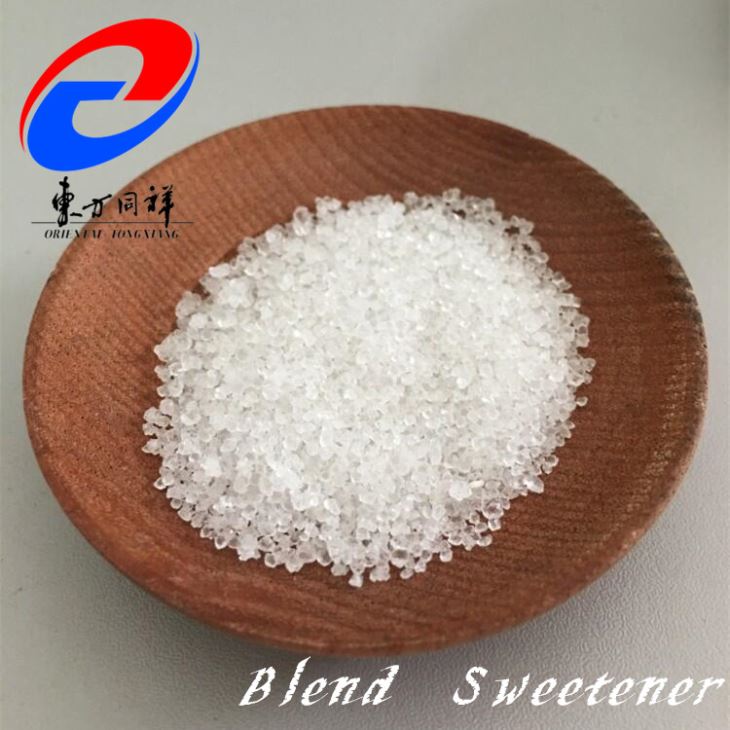


Artificial Sweeteners
Sucralose, an artificial sweetener made from sucrose, is very popular (sugar). It doesn't have any calories, unlike sucrose. Even though sucralose is 600 times sweeter than sugar, it tastes very much like sugar.
Saccharin is a sugar substitute that has no calories but is 200 to 700 times sweeter than sugar. It's used in drinks, processed foods, and some medicines, like chewable aspirin.
Aspartame: It is 200 times sweeter than sugar but tastes the same. Most of the time, aspartame is used in drinks, cereals, dairy products, and desserts. You won't find this artificial sweetener in baked goods, though. Because it loses its sweetness when heated (so don't use homemade baked goods).
Advantame: It is a sweetener made from aspartame that is relatively new. But it is 70 to 120 times sweeter than aspartame and 20,000 to 37,000 times sweeter than sugar. It has made more intense artificial sweeteners.
Unlike aspartame, advantame can be heated and is used in cakes, cookies, and other baked goods.
Acesulfame potassium: The artificial sweetener is acesulfame potassium. This sugar substitute is 200 times sweeter than regular sugar. It tastes strong and bitter, like saccharin. It mixes with artificial sweeteners like sucralose and aspartame. Many different foods and drinks contain acesulfame potassium. Also read – Acesulfame potassium side effects.
Neotame: Neotame tastes 7,000 to 13,000 times sweeter than sugar. This sweetener with no calories is able to mask bitter tastes. Its uses with other prevalent artificial sweeteners like sucralose, aspartame, and acesulfame potassium.
Neotame has found in a lot of chewing gum, dairy products, and baked goods.
Natural Sweeteners
Stevia: Stevia is a sweetener that has few calories. It comes from the leaves of the Stevia rebaudiana plant. There are several sweet chemicals in stevia leaves. Stevioside and Rebaudioside A are the main ones. Both are hundreds of times sweeter than sugar. So, stevia is very sweet, but it has almost no calories.
Erythritol: Erythritol is another type of sweetener with low calories. It is a sugar alcohol that comes from some fruits. But powdered erythritol is most likely made in a factory.
Erythritol tastes very much like sugar, though it can have a mildly unpleasant taste.
Xylitol: It is a natural sweetener, which tastes sweet like sugar. Xylitol seems to help with dental health in some aspects, like lowering the risk of cavities and tooth decay.
Yacon syrup: Yacon syrup is another unusual natural sweetener. It has a lot of fructooligosaccharides, which are soluble fibres that feed the healthy bacteria in your gut. Don't eat too much at once, though, as that can cause gastrointestinal problems.
Monk fruit sweetener: Monk fruit is a kind of fruit that grows naturally in Southeast Asia. It is often used to make a natural sweetener from monk fruit extract.
It doesn't have any calories or carbs, so it may help better control blood sugar. Mogrosides are antioxidant compounds found in monk fruit it helps to reduce inflammation.
Sweetness Level
- Different sweeteners have varying levels of sweetness, and it is important to choose one that provides the desired level of sweetness for the product. For example, if a product requires a low-calorie sweetener, stevia may be good options. Stevia, for instance, is up to 350 times sweeter than sugar and only a small amount of stevia is needed to achieve the same level of sweetness as sugar.
- Alternatively, if a product requires a sugar substitute that closely mimics the sweetness of sugar, maltitol is a great choice as it is approximately 90% as sweet as sugar, and can be used in the same ratio as sugar in recipes. This makes it an easy substitution for sugar in recipes without affecting the taste or texture of the final product.
Texture
- When replacing sugar with sweetener, it is important to keep in mind that sugar not only provides sweetness, but it also contributes to the overall texture and structure of the product.
- One of the biggest advantages of “1:1 ratio sweeteners” like maltitol is that it adds the same bulk and texture as sugar, while low-calorie sweeteners like stevia cannot be used in the same quantity as sugar, and you need to replace the remaining bulk with something else – like flour, cornstarch, or other low-calorie sweeteners. The challenge then lies in adding bulk without impacting on the final product negatively. For example, adding flour or cornstarch can result in a dense, heavy texture, while too much of another low-calorie sweetener can result in an artificial aftertaste.
Flavor
The flavor of a sweetener can also impact the overall taste of a product. Some sweeteners risk adding a bitter aftertaste to the product, while others have a sweetness and flavor that mimics the taste of sugar. We especially like using maltitol in our chocolates and chocolate flavored compounds as it preserves the creamy chocolaty sweetness and taste.
Caloric Content
The caloric content of a sweetener is also a consideration, especially for products marketed as low-calorie or sugar-free. Some sweeteners, such as sucralose or aspartame, have zero calories, while others, such as sugar alcohols, have fewer calories than sugar but still contribute to the overall calorie count of a product.
Cost
Finally, like all raw materials, the cost of a sweetener is important to take into consideration to ensure a final product that is competitive on the market.
Flavor Profile
Different sweeteners have distinct flavor profiles. Natural sugars have a mild sweetness, while artificial sweeteners can have a metallic or bitter aftertaste. You need to strike a balance between sweetness and flavor to create the ideal taste. Sweeteners also react differently when exposed to heat or light, impacting the overall taste.
Beverage Sweetener Production Costs
Sweeteners vary widely in cost. Natural sweeteners like agave, honey, and maple syrup are typically more expensive than artificial sweeteners due to their limited availability, higher production costs, and complex extraction processes. Artificial sweeteners can be cost-effective, but their lack of nutritional value may require additional ingredients to enhance the flavor or texture.
Shelf Life
Shelf life is how long your product is expected to stay fresh and retain its flavor. Sweeteners can affect shelf life, and some may not be suitable for products with longer shelf-life expectations. Exposure to heat and light can accelerate the breakdown of some sweeteners, resulting in a shorter shelf life. Natural sweeteners often have a shorter shelf life than artificial sweeteners and may produce off-flavors over time.
Health Information and Safety
The growing consumer demand for healthier products has increased awareness of beverage sweeteners' impact on our well-being. Natural sweeteners have a higher nutritional value, while artificial sweeteners are calorie-free and contain no nutritive value. Use natural sweeteners in moderation, as they can contain significant amounts of sugar and calories that can cause spikes in blood sugar levels. The FDA monitors the safety of artificial sweeteners and approves their use in food and beverage products. Selecting the right sweetener is critical to ensuring your product meets safety and health standards and satisfies customer taste expectations. It's important to understand the nuances of each sweetener and how they will affect your product's flavor, texture, production cost, shelf life, and health profile. Knowing this information can help you decide which sweetener is right for your product.
Frequently Asked Questions
As one of the leading sweeteners manufacturers and suppliers in China, we warmly welcome you to wholesale the best sweeteners from our factory. All our products are with high quality and competitive price.
Get A Quote
Oriental Tongxiang has a "one team" mindset and philosophy in its operations that ensures all team members are focused on providing our customers with the highest quality and lowest cost products.
-
Email
-
Location
Room 2803, Block A, China Resource Building, No.6 Shandong Road, Qingdao ,China