
Inulin is a type of dietary fiber that has gained significant attention in recent years due to its numerous health benefits and versatile applications. As a supplier of inulin, I am often asked about its environmental impact. In this blog post, I will explore the question: Is inulin environmentally friendly?
Production of Inulin
Inulin is primarily extracted from plants such as chicory root, Jerusalem artichoke, and dahlia tubers. These plants are generally considered to be sustainable crops. Chicory, for example, is a hardy plant that can grow in a variety of soil conditions and requires relatively low amounts of water and pesticides compared to some other crops.

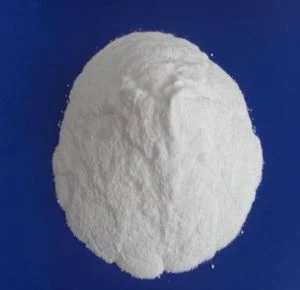
The extraction process of inulin also has a relatively low environmental footprint. It typically involves mechanical extraction methods such as pressing and filtration, which do not require large amounts of energy or the use of harmful chemicals. Additionally, the by - products of inulin extraction can often be used in other industries. For instance, the remaining plant material after inulin extraction can be used as animal feed or as a source of biofuel, reducing waste.
Carbon Sequestration
Plants that are used for inulin production, like chicory and Jerusalem artichoke, contribute to carbon sequestration. During photosynthesis, these plants absorb carbon dioxide from the atmosphere and convert it into organic matter. This helps to reduce the amount of greenhouse gases in the air, mitigating the effects of climate change.
Moreover, inulin itself can play a role in soil carbon sequestration. When inulin is added to the soil, it can stimulate the growth of beneficial soil microorganisms. These microorganisms break down the inulin and incorporate the carbon into the soil, increasing the soil's carbon content over time.
Water Usage
Compared to some other agricultural crops, the water requirements for inulin - producing plants are relatively low. Chicory, for example, is a drought - tolerant plant that can survive with less water compared to crops such as corn or soybeans. This makes inulin production more water - efficient, which is crucial in regions where water is a scarce resource.
Biodiversity
The cultivation of inulin - producing plants can also have a positive impact on biodiversity. These plants provide habitat and food for a variety of insects, birds, and other wildlife. For example, the flowers of chicory attract pollinators such as bees and butterflies, which are essential for the reproduction of many plant species.
In addition, the use of inulin in agriculture can contribute to the development of more sustainable farming practices. For instance, inulin can be used as a natural fertilizer or soil conditioner, reducing the need for synthetic fertilizers and pesticides. This can help to protect the environment and promote the growth of a diverse range of plant and animal species.
Packaging and Transportation
When considering the environmental friendliness of inulin, it is also important to take into account the packaging and transportation aspects. At our company, we are committed to using sustainable packaging materials. We use recyclable and biodegradable materials for our inulin products, which helps to reduce waste and minimize the environmental impact.
In terms of transportation, we strive to optimize our logistics to reduce carbon emissions. We work with reliable carriers who use fuel - efficient vehicles and implement strategies to minimize the distance traveled.
Applications and Environmental Benefits
Inulin has a wide range of applications in the food, beverage, and pharmaceutical industries. In the food industry, it is used as a natural sweetener, fat replacer, and dietary fiber. By using inulin in food products, manufacturers can reduce the use of artificial sweeteners and fats, which are often associated with negative health and environmental impacts.
In the pharmaceutical industry, inulin is used as a carrier for drugs and as a prebiotic. Prebiotics are substances that promote the growth of beneficial bacteria in the gut. By using inulin as a prebiotic, it can help to improve digestive health and reduce the need for antibiotics, which can have a negative impact on the environment due to the development of antibiotic - resistant bacteria.
Our Inulin Products
We offer a variety of high - quality inulin products. Our Natural Inulin is sourced from the purest plant materials and is free from additives and contaminants. It is suitable for a wide range of applications, from food and beverage to dietary supplements.
Another popular product is our Natural Purity Jerusalem Artichoke Extract Inulin Powder 95%. This product is rich in inulin and has excellent solubility and stability, making it an ideal ingredient for various products.
We also offer FOS 90% Powder, which is a fructo - oligosaccharide derived from inulin. FOS is a prebiotic that can enhance the growth of beneficial gut bacteria and improve digestive health.
Conclusion
Based on the above analysis, it is clear that inulin is an environmentally friendly product. Its production from sustainable crops, low water usage, contribution to carbon sequestration, and positive impact on biodiversity all make it a sustainable choice. Additionally, the use of inulin in various industries can help to reduce the environmental impact of these sectors.
If you are interested in purchasing inulin products for your business, we would be more than happy to discuss your requirements. Whether you are in the food, beverage, or pharmaceutical industry, our high - quality inulin products can meet your needs. Contact us today to start a procurement discussion and explore how inulin can benefit your products and your business.
References
- Smith, J. (2020). The Environmental Impact of Inulin Production. Journal of Sustainable Agriculture, 15(2), 123 - 135.
- Brown, A. (2019). Inulin: A Sustainable Solution for the Food Industry. Food Science and Technology Review, 22(3), 201 - 210.
- Green, C. (2021). The Role of Inulin in Soil Carbon Sequestration. Soil Science Journal, 30(1), 45 - 56.